
Frameless Glass Swing Doors
Hinged frameless glass doors on fixed glass panels or adjacent walls. A clean, upscale option for office entries, restaurant interiors, and commercial lobbies. Available with a full range of hardware finishes including polished chrome, matte black, brushed nickel, and satin brass.
Storefront Glass Systems
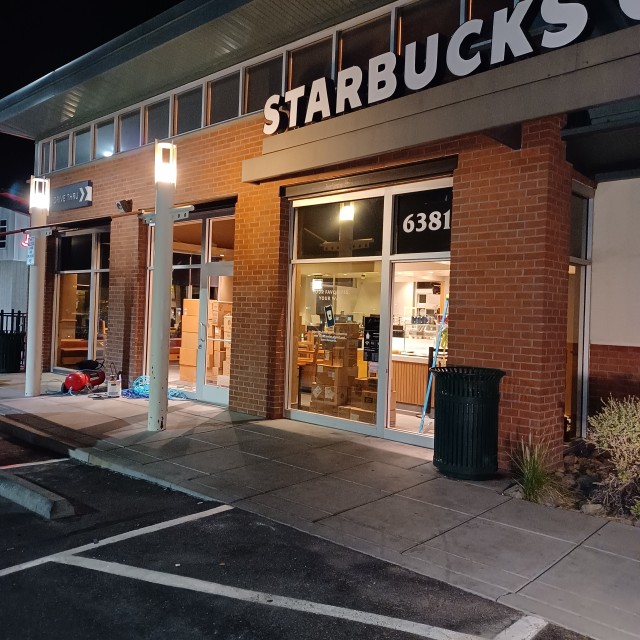
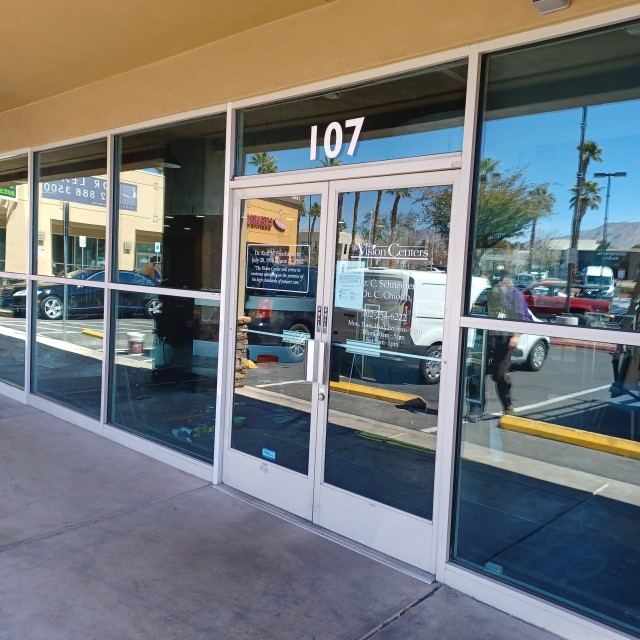
Aluminum-framed storefront glass systems for retail and commercial building exteriors. Designed for high-traffic entries and weather exposure, with options for single or double entry configurations.
Glass Office Partitions
Custom and modular glass partition systems for open-plan commercial offices. Create private meeting rooms and individual offices while maintaining the visual openness of your workspace. Available in clear, frosted, and decorative glass.
Semi-Frameless Partitions
Glass panels set within a minimal perimeter frame. Added structural stability with a largely open, contemporary appearance. A practical option for commercial spaces with higher traffic or durability requirements.
Fixed Glass Panels
Non-operable glass panels used as architectural dividers, window walls, or display glass. Often used alongside swing doors and partition systems for a complete interior glass installation.
Choosing the right hardware is as important as the glass itself. Door closers and hinges are the working components of any commercial glass door system, and selecting the wrong specification leads to premature failure, ADA violations, and costly replacements.
How to Choose the Right Door Closer
Door closers control how your door opens and returns to the closed position. The right closer depends on four key factors: power rating, ADA requirements, traffic volume, and mounting style.
Power Size
Closers are rated from Size 1 to Size 6 by spring power. Interior lightweight doors typically need Sizes 1 to 3. Standard exterior commercial doors require Sizes 4 to 5. Heavy or oversized exterior doors subject to wind load may require Size 6. Matching the closer size to your door’s actual weight and width is essential for consistent, reliable operation.
ADA Compliance
ADA standards require that interior doors not exceed 5 lbs. of opening force. If your entrance serves the public, specify an adjustable closer or a model with cam-motion technology, which reduces the required opening force while maintaining strong latching power when the door reaches the frame.
Traffic and Duty Grade
Match the closer’s duty grade to your building’s traffic:
Additional Closer Features
Mounting Style
Most commercial closers are surface-mounted and tri-packed, meaning they install in three configurations: regular arm on the pull side, parallel arm on the push side, or top-jam. Your mounting choice depends on door swing direction, available clearance, and the desired appearance of the installed hardware.
When to Replace a Door Closer
Door closers rely on hydraulic oil and internal springs that degrade over time. Replace the closer if you notice any of the following:
The Two Main Storefront Hinge Options
Commercial storefront doors require hinges that can handle daily cycling, weather exposure, and the physical demands of public use. The two standard options are offset pivot hinges and continuous gear hinges.
Offset Pivot Hinges (Industry Standard)
Offset pivots are the standard hardware for aluminum and glass storefront doors. A top pivot and a bottom pivot allow the door to pivot 3/4 inch from the frame, directing the door’s weight efficiently toward the floor rather than the frame edge.
Best for: Standard commercial storefront doors up to approximately 125 lbs.
Continuous Gear Hinges (Heavy Traffic and Heavy Doors)
Continuous hinges run the full height of the door, distributing weight evenly from top to bottom. They are the right choice for high-cycle entrances, heavy-duty applications, and retrofit situations where pivot hardware has previously stripped out or failed.
Four Factors That Drive the Decision